
From Balloon Science to Test Benches
Two and a half years, a lot of tubing, and what I still don’t fully understand about hydrogen
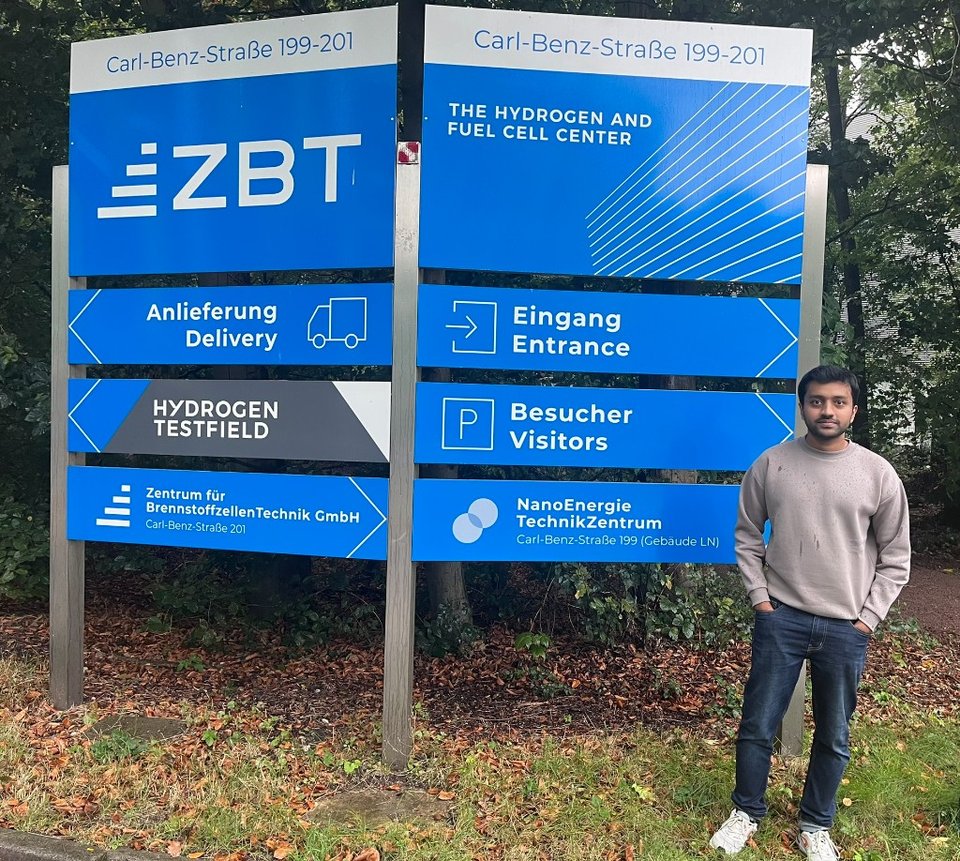
I walked past this sign a few times before I went in. I knew hydrogen was the lightest element and that it burns, and that was about it. I had read some news articles about it. When I started as a working student, I found that most of the work here is slow and sometimes untidy, and often not what anyone predicted.
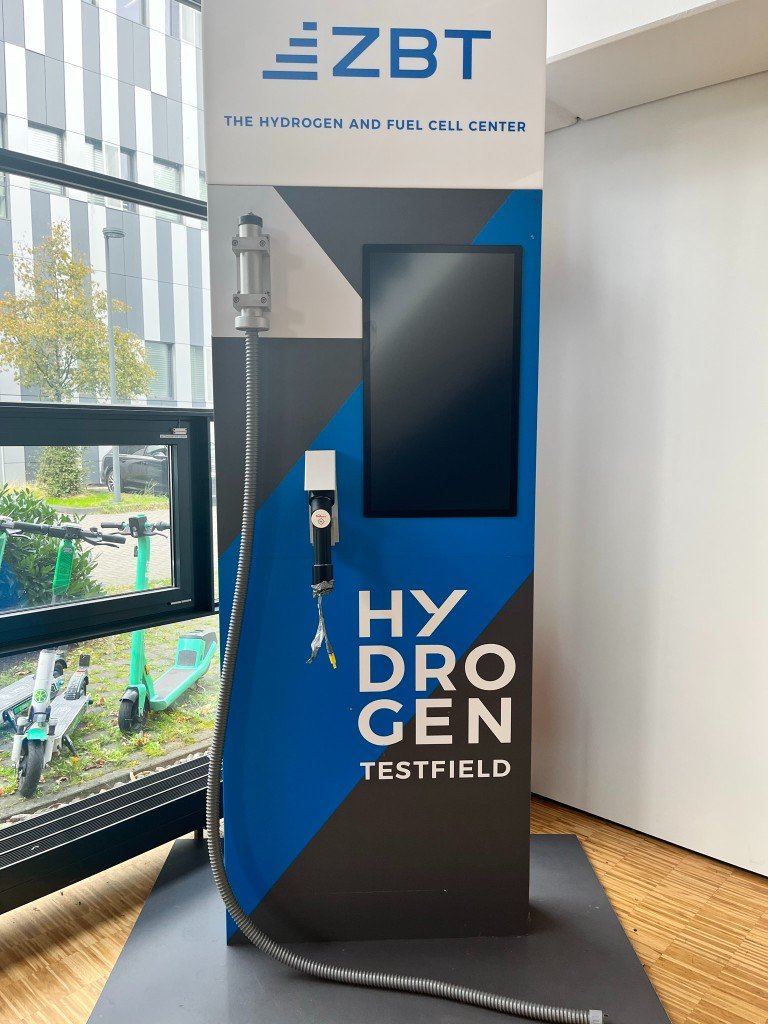
The basics, as I understood them then and understand now: hydrogen reacts with oxygen in a fuel cell, and the output is electricity and water. No carbon dioxide comes out, because there is no exhaust pipe. Germany wants to use hydrogen in steel, chemicals and fertiliser, where it can replace fossil gas. Most hydrogen today is still made from natural gas, so cleaner production is the part that needs the most work.
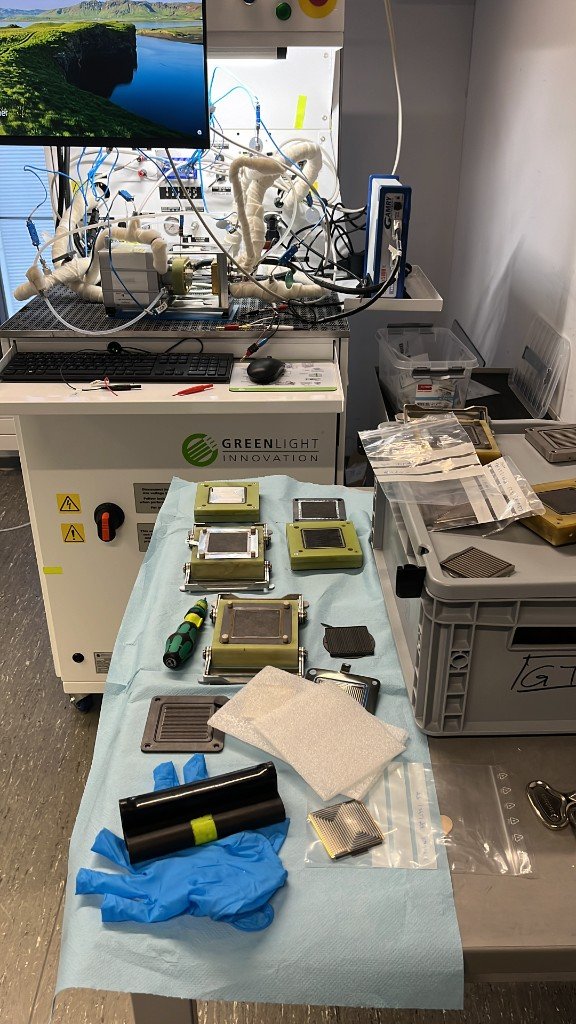
From the outside, a fuel cell looks like a solid block. Inside, it is a stack of thin layers: membranes, catalyst coatings and metal plates. We wear gloves when handling them. Early on I spent about twenty minutes on a plate because I had touched the wrong side, and I had to start the cleaning again. It was a small lesson, but I still remember it.
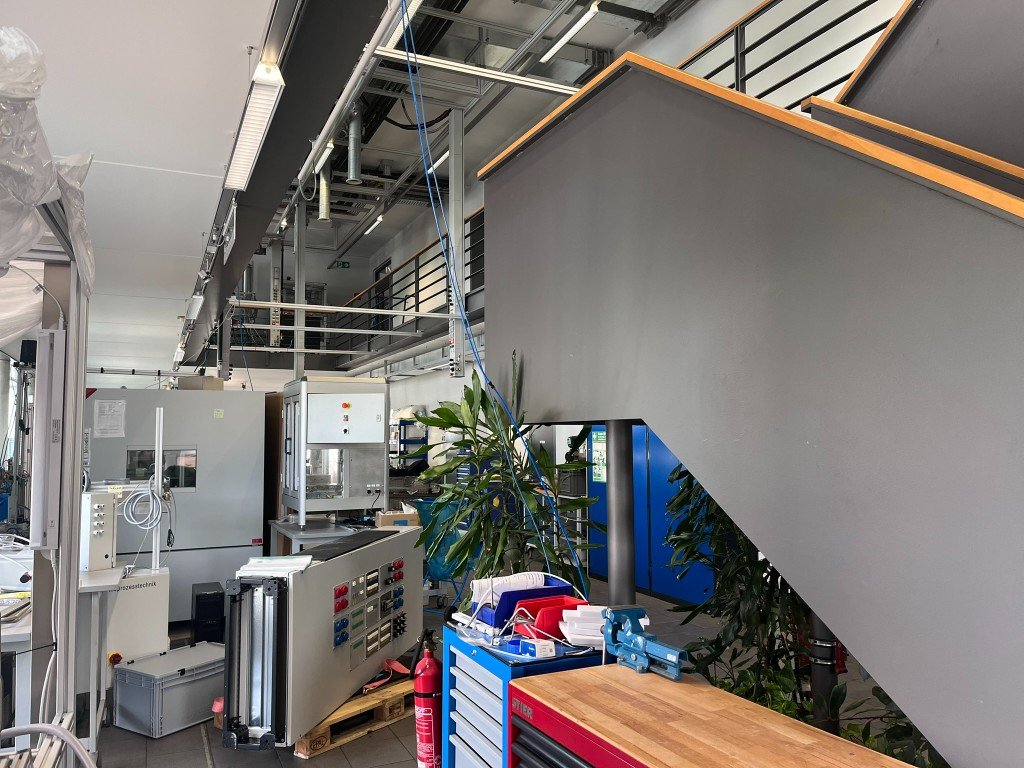
Not everything comes from a catalogue. Some parts are modified, repaired or built here, in halls like this one, using a bench, a vice and a drawing that is not always exact. I did not expect to enjoy the bench work as much as I do. A lot of research comes down to making things fit.
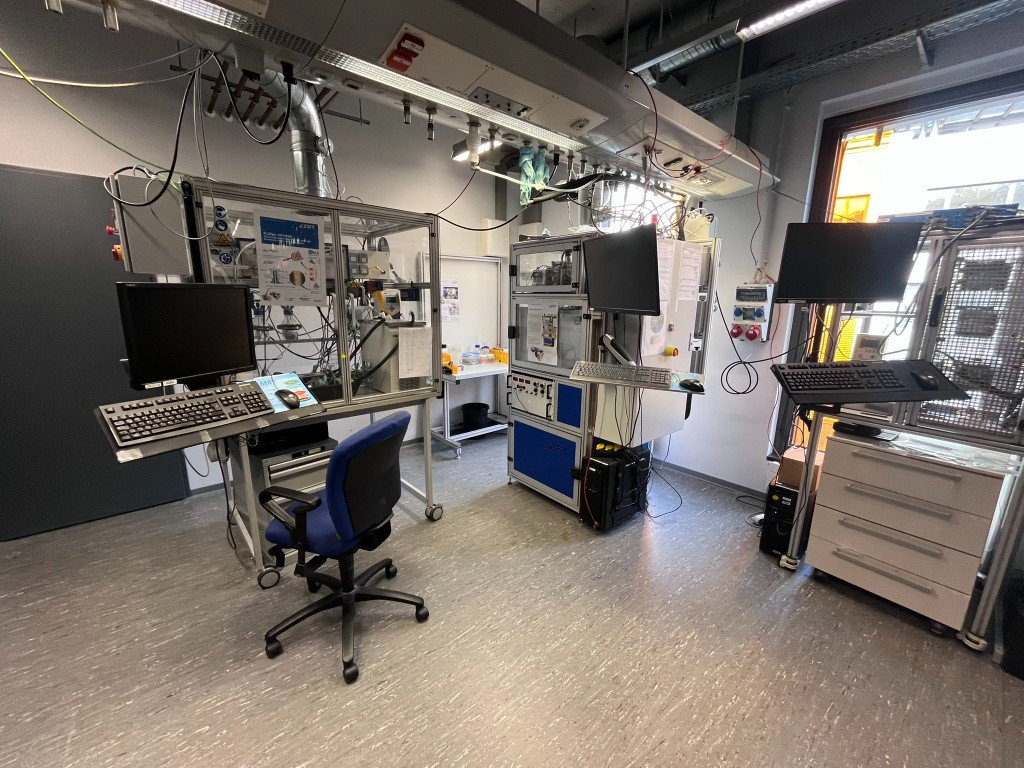
These stations log voltage, flow, temperature and pressure, run after run. Many results do not match what we expected. I find that the most interesting part, although it takes some patience to accept. My master’s thesis started from this kind of unexpected result, which I’ll write about another time.
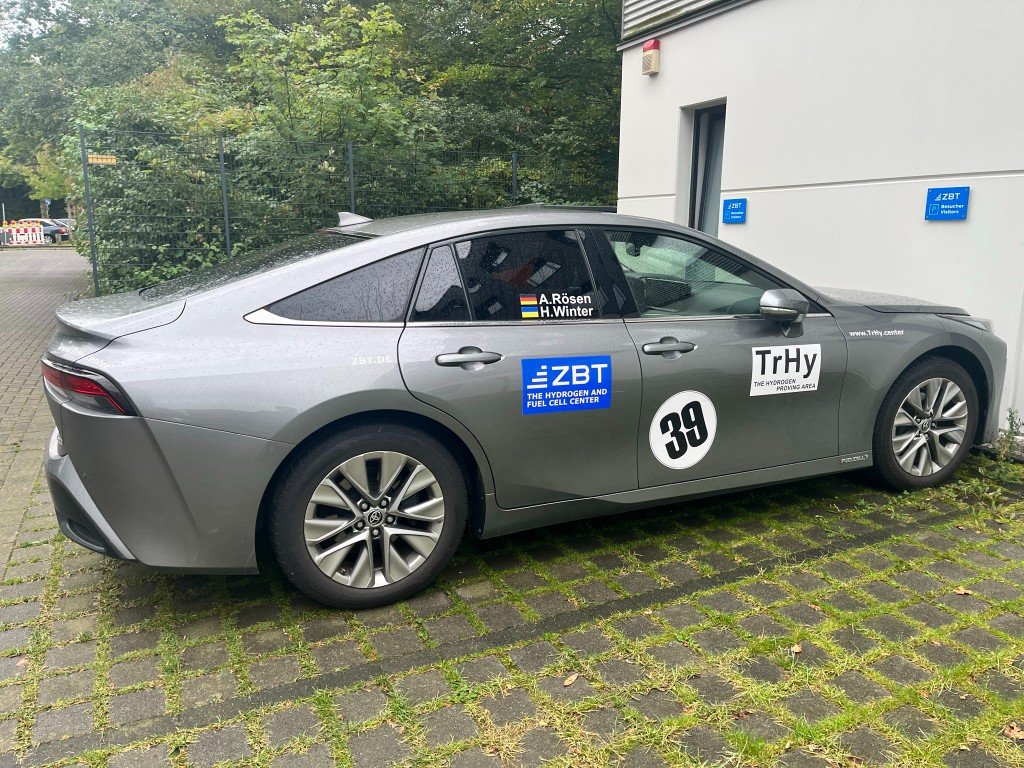
This Mirai is one of the cars used in a proving area, which means people drive it on normal roads in normal weather. It is quiet, it leaves only water behind, and it refuels in a few minutes. The car works well. The limit is the small number of filling stations, which is a bit like owning a good phone in an area with weak signal.
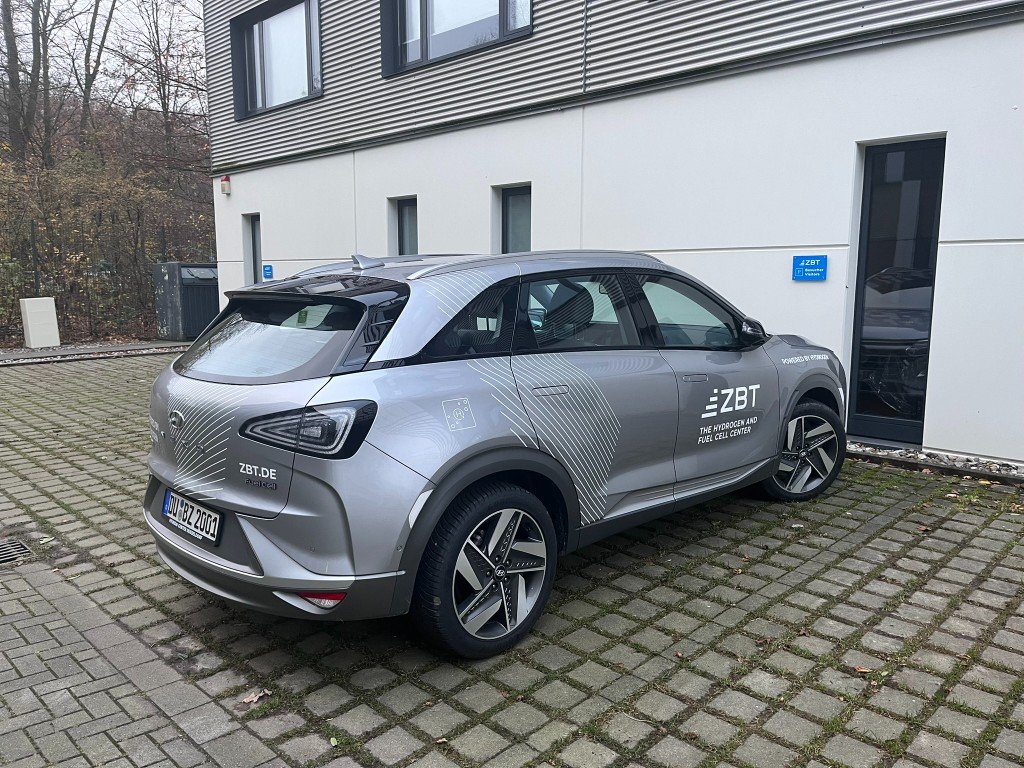
Cars get most of the attention, but I think trucks, buses and trains may be where hydrogen makes more sense, since heavy batteries are a poor fit for them. A few of these vehicles are on trial in Germany, but none are common yet, and I am not sure when that will change. Standing next to this one, I thought about how much engineering goes into making a vehicle that people can rely on every day.
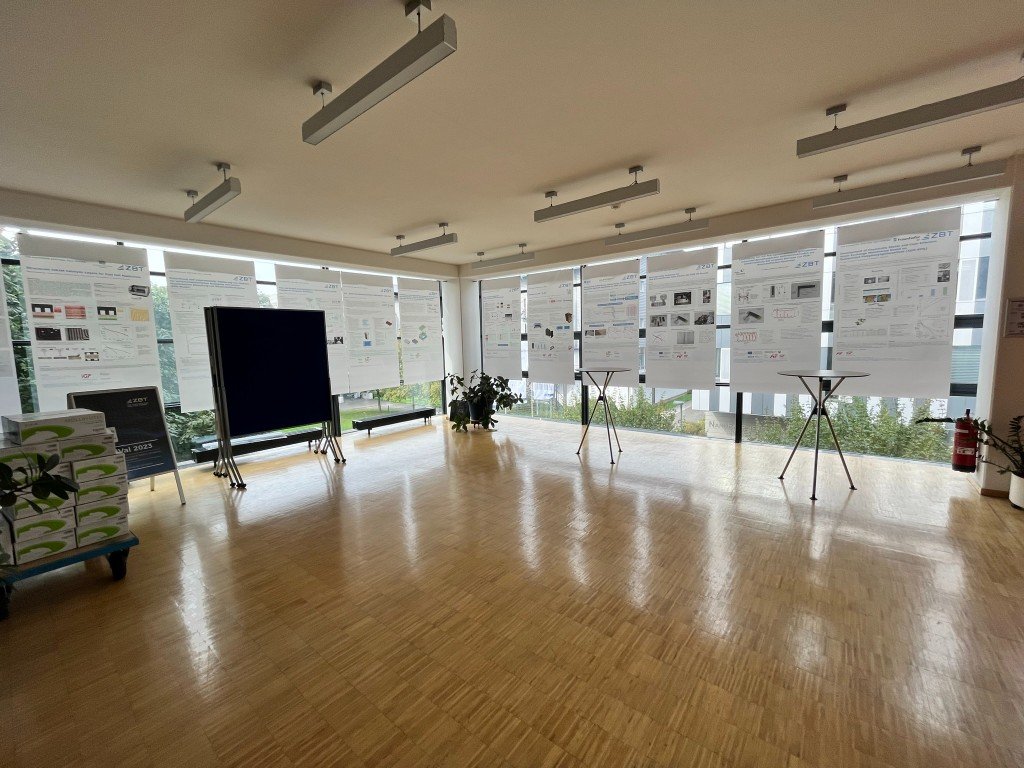
The poster walls show what the field is working on. I used to walk past them. Now I stop and read. Catalyst lifetime, membrane stability and cost reduction come up often. Each poster represents months of someone’s work, and some of them disagree with each other, which I find reassuring.
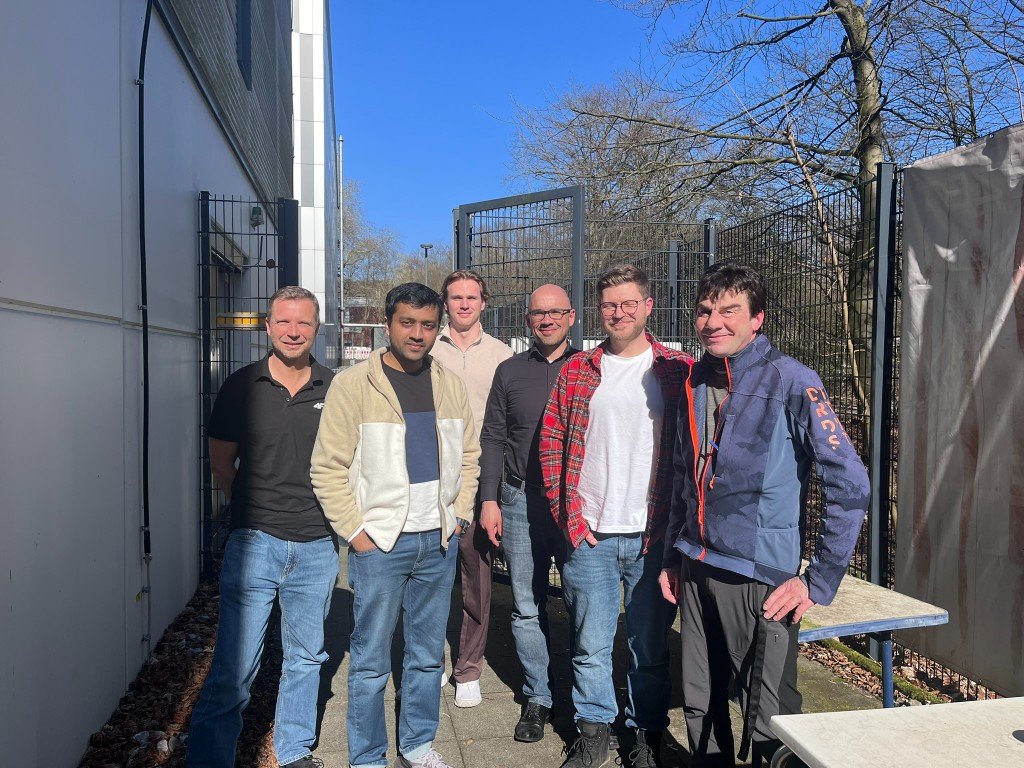
The people made more difference than any single result. Engineers answered my questions, including the ones I asked twice because I had forgotten the answer the first time. When I was deciding on a master’s thesis, it was these people who made it feel possible.
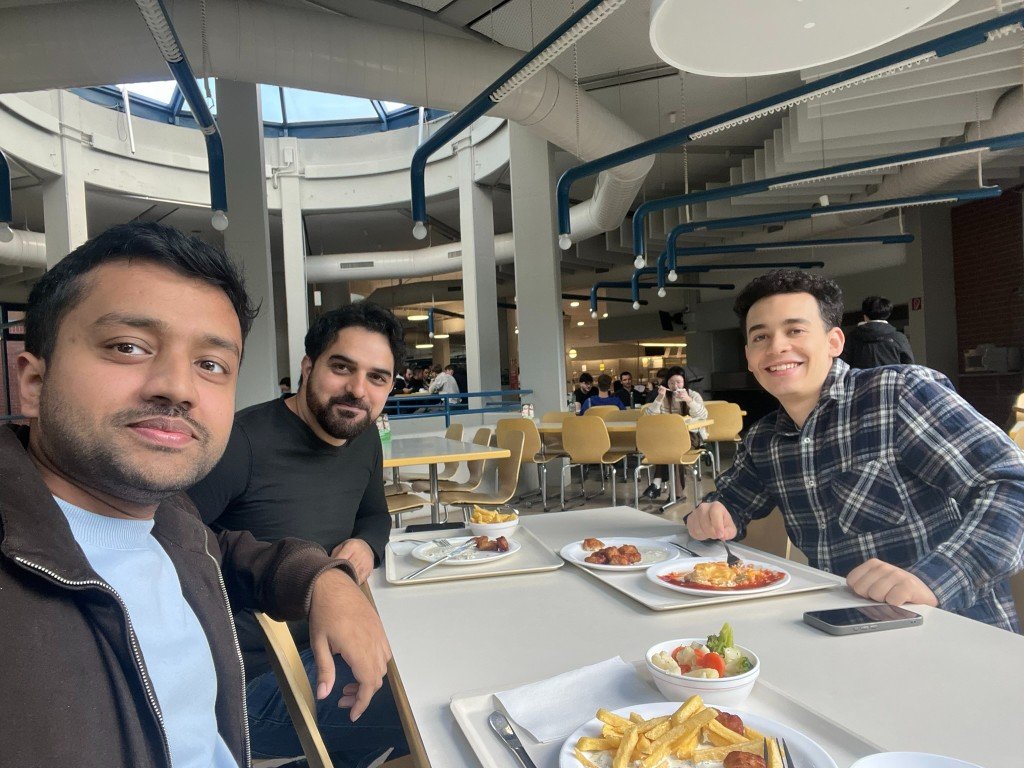
The canteen is where the institute meets informally. New colleagues arrive, working students finish their contracts and leave, and each lunch table has a different mix of people. Some of my best advice came over lunch, from someone who had run a similar test the year before. Several of those conversations became friendships that I still keep.